
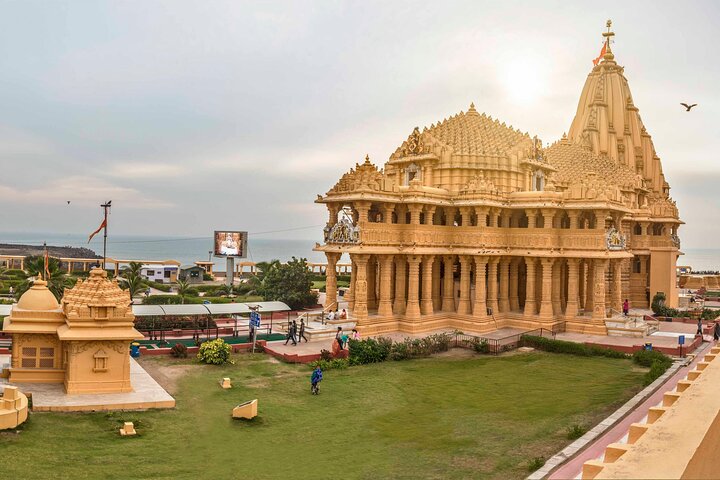
The sacred coastline of Gujarat beckons pilgrims and travelers alike to experience the divine energy of the Char Dham and Jyotirlinga circuits. Planning a dwarka somnath trip is more than just a vacation; it is a profound journey into the heart of Hindu mythology and architectural brilliance. As you traverse the Saurashtra peninsula, the salt-laden breeze of the Arabian Sea accompanies you, whispering stories of Lord Krishna’s kingdom and Lord Shiva’s eternal presence. This itinerary connects the “Golden City” of Dwarka with the “Eternal Shrine” of Somnath, offering a soul-stirring experience that remains etched in memory long after the journey ends.
Understanding the Spiritual Significance of the Saurashtra Circuit
The region of Saurashtra holds a unique position in the Indian spiritual landscape. Dwarka is revered as the ancient capital of Lord Krishna’s empire, established after he moved from Mathura. It is one of the four most sacred Hindu pilgrimage sites. On the other hand, Somnath houses the first of the twelve Jyotirlingas, representing the beginning of the infinite pillar of light.
Visiting these two sites together allows a devotee to witness the convergence of Vaishnavism and Shaivism. The historical resilience of Somnath, which was rebuilt several times, stands as a symbol of the “triumph of construction over destruction.” Meanwhile, the submerged ruins of ancient Dwarka remind us of the transient nature of time and the permanence of faith.
Best Time to Plan Your Gujarat Pilgrimage
The climate of coastal Gujarat is predominantly semi-arid, making seasonal timing crucial for a comfortable visit. The months from October to March are ideal, as the weather remains pleasant and cool, perfect for visiting temples and local markets without the exhaustion of the summer sun.
- Winter (October to March): Temperature ranges between 10°C and 25°C. This is the peak season for pilgrims.
- Monsoon (July to September): The landscape turns lush green, and the sea is dramatic, though heavy rains might occasionally disrupt travel schedules.
- Summer (April to June): Temperatures can soar above 40°C, making daytime sightseeing quite challenging.
How to Reach Dwarka and Somnath
Accessibility has improved significantly in recent years, with multiple transport options connecting these holy cities to the rest of India.
By Air
The nearest airport to Dwarka is Jamnagar Airport (JGA), located about 127 km away. For Somnath, the closest airport is Rajkot or Diu. Most travelers fly into Ahmedabad and then take a road trip to cover the entire circuit.
By Rail
Dwarka has its own railway station (DWK) which is well-connected to major cities like Mumbai, Delhi, and Ahmedabad. Veraval (VRL) is the closest railway station to Somnath, situated just 7 km away.
By Road
Gujarat boasts some of the finest highways in India. State-run buses (GSRTC) and private taxis are readily available. The drive from Dwarka to Somnath takes approximately 4 to 5 hours via the coastal highway, offering beautiful views of the sea and wind farms.
Key Highlights of Dwarka: The Abode of Lord Krishna
Dwarkadhish Temple (Jagat Mandir)
The centerpiece of the city is the 2,500-year-old temple dedicated to Lord Krishna. The five-story structure is supported by 72 pillars and features an enormous flag that is changed five times a day. The intricate carvings on the sandstone walls depict the life of Krishna and various Hindu deities.
Beyt Dwarka and the Boat Journey
Located about 30 km from the main city, Beyt Dwarka is an island believed to be the actual residence of Lord Krishna. To reach the island, you must take a ferry from Okha port. The sight of thousands of seagulls following the boats is a highlight for many visitors.
Nageshwar Jyotirlinga
Situated on the route between Dwarka and Beyt Dwarka, this is one of the twelve Jyotirlingas. The temple features a massive 80-foot tall statue of Lord Shiva in a sitting posture, which can be seen from several kilometers away.
Rukmini Devi Temple
Located 2 km away from the Dwarkadhish temple, this shrine is dedicated to Lord Krishna’s consort, Rukmini. Legend says that due to a curse by Sage Durvasa, Rukmini had to stay away from Krishna, which is why her temple is situated outside the main town.
Traveling from Dwarka to Somnath: The Coastal Trail
The journey between the two cities is roughly 230 km. Along this route, there are several stops that enrich the travel experience:
- Porbandar: The birthplace of Mahatma Gandhi. Visit Kirti Mandir and the Sudama Temple, the only temple in the world dedicated to Krishna’s childhood friend.
- Madhavpur Ghed: A beautiful beach village where, according to folklore, Lord Krishna married Rukmini.
- Harsiddhi Mata Temple: Perched on a hill overlooking the sea, this temple offers a panoramic view of the coastline.
Experiencing the Grandeur of Somnath
The Somnath Temple
The current temple, built in the Chalukya style of architecture, stands right on the shore of the Arabian Sea. The “Baan Stambh” (Arrow Pillar) located on the temple grounds indicates a straight line from the coast to the South Pole without any landmass in between—a testament to ancient Indian geographical knowledge.
The Sound and Light Show
Every evening, the temple premises host a spectacular sound and light show narrated in the voice of Amitabh Bachchan. It narrates the history of the temple’s destruction and its glorious resurrection.
Triveni Sangam
This is the holy confluence of three rivers: Hiran, Kapila, and Saraswati, where they meet the Arabian Sea. It is a sacred spot for taking a holy dip and performing ancestral rites.
Bhalka Tirth
This is the location where Lord Krishna was mistakenly hit by an arrow by a hunter named Jara, marking the end of his earthly journey. The temple houses a beautiful reclining idol of Krishna.
Cultural and Culinary Experiences in Saurashtra
A trip to this region is incomplete without indulging in the local flavors. The Gujarati Thali in Saurashtra (often called Kathiyawadi Thali) is distinct. It is spicier and uses more garlic and onions compared to the food in Central Gujarat.
- Must-try dishes: Ringan No Oro (Baingan Bharta), Bajra No Rotlo, Vagharelo Rotlo, and Sev Tameta Nu Shaak.
- Shopping: Look for Patola silk sarees, Bandhani fabrics, and local handicrafts in the markets of Dwarka.
Essential Travel Tips for Pilgrims
- Dress Code: While there is no rigid dress code, it is respectful to wear traditional Indian attire. Avoid shorts or revealing clothing inside temple premises.
- Mobile and Cameras: Most major temples, including Dwarkadhish and Somnath, strictly prohibit mobile phones and cameras inside. There are secure locker facilities available at the entrance.
- Pooja Bookings: If you wish to perform specific rituals like “Abhishek” or “Dhvaj Arohan” (flag hoisting), it is advisable to book in advance through the official temple websites.
Planning a Group or Solo Journey
Whether you are traveling with elderly parents or as a solo backpacker, the infrastructure in Gujarat supports all types of travelers. Many tour operators offer customized packages that include accommodation, transport, and guided tours. For those looking for a quiet time, the early morning Aarti (around 6:00 AM) provides a peaceful atmosphere before the crowds arrive.
Managing Logistics and Accommodation
Both Dwarka and Somnath offer a wide range of stay options.
- Dharamshalas: Managed by the temple trusts, these provide clean and very low-cost rooms.
- Guest Houses: Plenty of budget-friendly lodges are available near the temple circles.
- Resorts: Near the coastline, you can find mid-range to high-end resorts that offer sea-facing views and modern amenities.
It is highly recommended to stay at least two nights in Dwarka and one night in Somnath to cover all the sites at a relaxed pace.
Sustainable and Responsible Travel
As these are eco-sensitive coastal areas and highly revered religious sites, travelers are encouraged to maintain cleanliness. Avoid using single-use plastics and ensure that any offerings (flowers, coconut shells) are disposed of in designated bins. Respecting local customs and maintaining silence within the inner sanctums enhances the experience for everyone.
The Spiritual Extension: Beyond Gujarat
Many devotees who complete the western circuit often look toward the northern heights for their next spiritual milestone. While the dwarka somnath trip focuses on the coastal plains, the ultimate test of faith lies in the high-altitude terrains of the Himalayas. For those who have found peace in the temples of Gujarat, the next step often involves looking into specialized and well-organized kailash mansarovar yatra private tour packages. These tours provide the necessary logistical support and medical safety required to navigate the challenging path to Mount Kailash, ensuring that the transition from the sea to the mountains is seamless and spiritually fulfilling.