
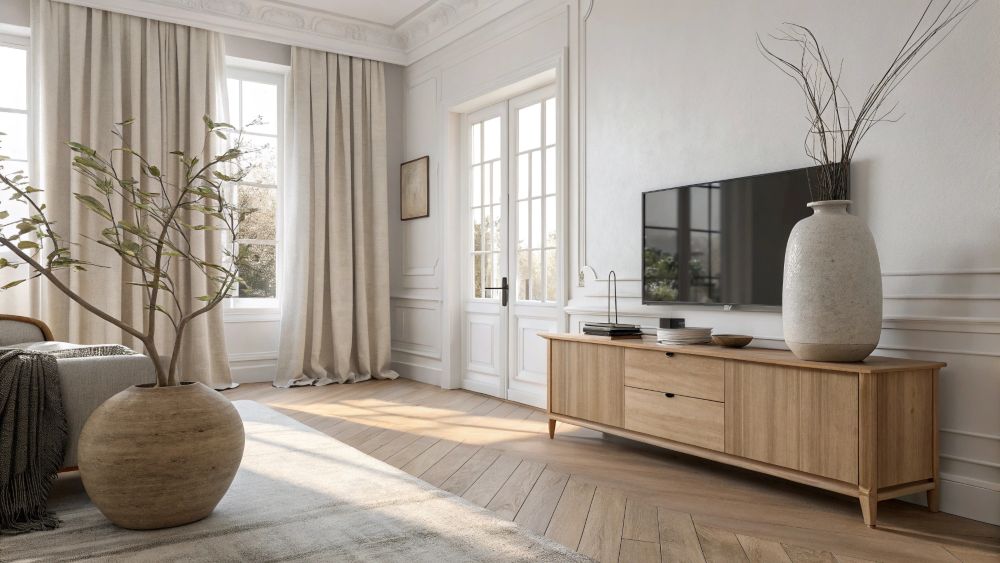
Pyntekvister are decorative branches that have become a defining element of Scandinavian and minimalist interior design. The word originates from Nordic languages, where it refers to branches or twigs used purely for decoration rather than practical purposes.
These natural or artificial branches bring a calm, organic, and timeless beauty into living spaces, making them a favorite choice for modern homes, offices, cafes, and event venues. As interior design trends shift toward simplicity, sustainability, and nature-inspired aesthetics, It have gained international attention.
They require minimal effort, yet they transform spaces effortlessly. Whether styled in tall floor vases, arranged on shelves, or used as seasonal décor, It offer a subtle elegance that never feels overwhelming.
What Are Pyntekvister?
Pyntekvister are branches selected or designed specifically for decorative use. They can be natural twigs collected from trees, dried branches preserved for long-term use, or artificial replicas crafted from high-quality materials. Unlike fresh flowers, It focus on form, texture, and structure rather than color alone.
Defining Features of Pyntekvister
- Organic shapes and natural textures
- Long-lasting decorative appeal
- Adaptable to different interior styles
- Suitable for minimalist, rustic, and luxury décor
Because of their versatility, It can be styled alone or combined with other decorative elements like vases, lights, ornaments, or dried flowers.
Origin and Cultural Significance of Pyntekvister

The tradition of using decorative branches comes from Scandinavian design philosophy, which emphasizes harmony with nature, simplicity, and functionality. Nordic homes often reflect the changing seasons, and It offer an easy way to update décor without replacing furniture or adding clutter.
In Scandinavian culture, branches symbolize renewal, balance, and the beauty of imperfection. Their natural curves and uneven shapes remind people that true elegance lies in simplicity. This cultural meaning is one reason why It remain popular even as design trends evolve.
Types of Pyntekvister Used in Interior Decoration
There are several types of It, each serving a different decorative purpose depending on the space and personal preference.
Natural Pyntekvister
Natural pyntekvister are real branches sourced from trees such as birch, willow, cherry, eucalyptus, or olive. They may be air-dried or lightly treated to preserve their shape and texture. These branches provide authenticity and a strong connection to nature.
Artificial Pyntekvister
Artificial they are crafted from materials like resin, silk, or plastic. High-quality versions closely resemble real branches and are commonly used in commercial spaces, hotels, or homes where low maintenance is preferred.
Painted and Treated Pyntekvister
Some they are painted or treated in neutral shades like white, beige, gold, or silver. These are especially popular during festive seasons or in modern interiors where a monochromatic color palette is desired.
Natural vs Artificial Pyntekvister: Which Should You Choose?
Choosing between natural and artificial they depends on your lifestyle, décor goals, and maintenance preferences.
Advantages of Natural Pyntekvister
Natural branches offer unmatched texture and authenticity. Each piece is unique, making your décor feel personal and organic. When responsibly sourced, they are environmentally friendly and biodegradable.
Advantages of Artificial Pyntekvister
Artificial they require no maintenance, do not attract insects, and retain their appearance year-round. They are ideal for people with busy lifestyles or for spaces where natural materials may not last long.
Both options have their own appeal, and many designers use a combination of natural and artificial branches to achieve the desired look.
Role of Pyntekvister in Scandinavian Interior Design

Scandinavian interiors are known for their clean lines, neutral colors, and functional beauty. It fit seamlessly into this design style by adding visual interest without clutter.
They are often styled with:
- Light wooden furniture
- Ceramic or glass vases
- Soft, natural lighting
- Neutral color palettes
This combination creates a peaceful and welcoming environment that feels both modern and timeless.
Seasonal Decoration Ideas Using Pyntekvister
One of the greatest strengths of It is their adaptability across different seasons.
Spring and Summer Styling
During warmer months, It can be paired with fresh greenery, pastel accents, or light fabrics. This creates an airy and refreshing atmosphere.
Autumn Decoration Ideas
In autumn, decorative branches can be combined with dried leaves, berries, or warm-toned accessories to reflect the season’s richness.
Winter and Festive Décor
For winter and holidays, It can be painted white or metallic and decorated with fairy lights, ornaments, or ribbons for a festive touch.
Creative DIY Decoration Ideas with Pyntekvister
It are widely used in DIY home décor projects because they are affordable and easy to work with.
Wall Art and Natural Installations
Branches can be arranged into wall-mounted designs that act as natural art pieces.
Table and Shelf Styling
Shorter branches placed in small vases make elegant centerpieces for dining tables or shelves.
Event and Wedding Decoration
They are popular in rustic weddings and minimalist events, where they add natural beauty without overpowering the décor.
How to Choose the Right Pyntekvister for Your Space

Selecting the right decorative branches ensures balance and visual harmony.
Size and Height Considerations
Tall they work best in floor vases, while smaller twigs are suitable for desks and shelves.
Color and Texture Matching
Choose branches that complement your interior color scheme and materials.
Shape and Arrangement
Curved or asymmetrical branches create a softer, more elegant look than rigid shapes.
Caring and Maintaining Pyntekvister
Although They are low maintenance, proper care can extend their lifespan.
Caring for Natural Pyntekvister
Keep natural branches away from moisture and direct sunlight. Dust them regularly to maintain their appearance.
Maintaining Artificial Pyntekvister
Artificial branches can be cleaned with a soft cloth or gentle brush and stored safely when not in use.
Eco-Friendly and Sustainable Pyntekvister
Sustainability is a key reason behind the growing popularity of pyntekvister. Many homeowners prefer responsibly sourced natural branches or reusable artificial alternatives to reduce waste.
Eco-friendly they support:
- Minimalist living
- Sustainable interior design
- Reduced environmental impact
Where to Buy High-Quality Pyntekvister
Quality these are available at:
- Home décor stores
- Scandinavian design shops
- Online marketplaces
- Local craft and floral markets
When purchasing, focus on durability, ethical sourcing, and realistic appearance.
Why Pyntekvister Remain a Timeless Décor Element
Unlike short-lived décor trends, It have enduring appeal. Their simplicity allows them to adapt to changing styles while maintaining elegance. Whether used in modern apartments or traditional homes, decorative branches add warmth and sophistication.
Final Thoughts:
they provide a simple yet powerful way to introduce natural beauty into any interior. Their versatility allows them to suit modern, minimalist, or rustic spaces with ease.
Affordable and timeless, these decorative branches create a calm visual impact. When styled thoughtfully, They enhance balance, warmth, and elegance, turning ordinary rooms into inviting and harmonious living spaces.
Frequently Asked Questions
1. What are pyntekvister used for?
They are used as decorative branches in home and interior design.
2. Are pyntekvister suitable for modern homes?
Yes, they complement modern and minimalist interiors perfectly.
3. Can pyntekvister be reused all year?
Yes, they can be styled differently for each season.
4. Do natural pyntekvister last long?
With proper care, dried branches can last for years.
5. Are pyntekvister eco-friendly?
Responsibly sourced or reusable options are environmentally friendly.
Related post:
- Black Mold In Microwave – Easy Steps To Clean It Fast!
- Can A Microwave Be Plugged Into A Surge Protector – Don’t Risk Fire!
- Breaker Size For Microwave – Simple Rules For A Safer Kitchen!