
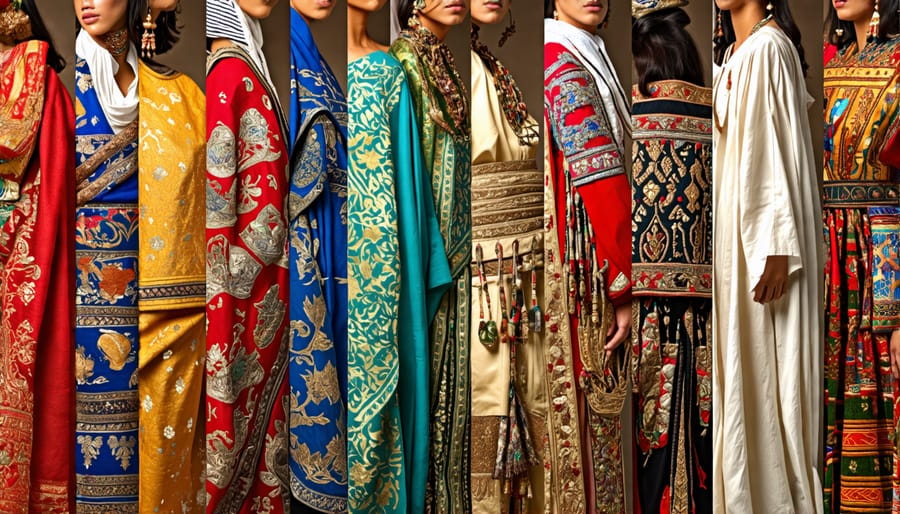
Fashion is often viewed as a reflection of current trends and personal style, but its importance extends far beyond appearance. Throughout history, clothing has served as a powerful symbol of culture, identity, and tradition. Even in an age dominated by global fashion influences and rapidly changing trends, traditional attire continues to hold a meaningful place in societies around the world.
Traditional fashion tells stories that have been passed down through generations. Every garment, fabric, and design element often carries historical significance, representing values, customs, and artistic traditions unique to a particular culture. These garments are more than clothing. They are visual expressions of heritage that help communities preserve their identities over time.
Among the many traditional outfits that continue to be admired today, the pishwas remains a symbol of elegance and cultural pride. Known for its graceful silhouette and timeless appeal, this traditional garment has maintained its relevance by adapting to changing fashion preferences while preserving its cultural roots. Its continued popularity demonstrates how heritage clothing can remain meaningful in contemporary society.
One of the most important roles of traditional fashion is its ability to strengthen cultural identity. In many communities, traditional garments are worn during celebrations, religious events, weddings, and family gatherings. These occasions allow individuals to connect with their heritage and participate in customs that have been maintained for generations.
Traditional clothing also serves as a reminder of craftsmanship and artistic excellence. Many heritage garments feature hand embroidery, weaving techniques, and decorative details that require exceptional skill and patience. These techniques often represent centuries of knowledge that have been passed from one generation to the next. Preserving these traditions helps protect valuable cultural practices that might otherwise be lost.
The influence of traditional fashion can be seen throughout the modern fashion industry. Designers frequently draw inspiration from cultural garments when creating contemporary collections. Elements such as silhouettes, patterns, fabrics, and embellishments are often reinterpreted to appeal to modern audiences while acknowledging their historical origins.
Globalization has made fashion more interconnected than ever before. While this has introduced consumers to a wider variety of styles, it has also increased appreciation for cultural uniqueness. Many people are actively seeking clothing that reflects authenticity and heritage rather than following temporary trends. Traditional fashion provides that connection by offering garments with deeper meaning and cultural significance.
Social media has played a major role in increasing visibility for traditional attire. Fashion creators, cultural advocates, and designers regularly share heritage inspired looks with audiences around the world. This exposure has encouraged younger generations to take greater interest in traditional clothing and the stories behind it.
Another reason traditional fashion remains relevant is its adaptability. While the original forms of cultural garments remain important, many modern interpretations incorporate contemporary design elements. This balance allows traditional clothing to remain practical and appealing for current lifestyles while preserving its essential character.
Cultural fashion often creates a sense of belonging. Wearing traditional attire can foster pride in one’s heritage and strengthen connections within communities. These garments help individuals celebrate their backgrounds and share aspects of their culture with others in a visible and meaningful way.
The growing emphasis on sustainable fashion has also contributed to renewed interest in traditional clothing. Many heritage garments are made with durability and longevity in mind. Rather than being discarded after a few uses, they are often treasured, maintained, and passed down through families. This approach aligns with modern efforts to encourage more responsible consumption.
Educational initiatives have further highlighted the value of traditional fashion. Museums, exhibitions, cultural festivals, and academic programs frequently showcase heritage garments as important examples of artistic and historical achievement. These efforts help increase public awareness of the cultural significance behind traditional attire.
Fashion is often described as a universal language, and traditional clothing plays a crucial role in that conversation. It allows people from different backgrounds to learn about one another’s customs, values, and histories. Through fashion, cultures can communicate their unique identities while fostering greater understanding and appreciation.
Traditional garments also contribute to local economies by supporting artisans and craftspeople who continue to practice heritage techniques. By investing in traditional fashion, consumers help preserve valuable skills and create opportunities for future generations to continue these artistic traditions.
The emotional connection people have with traditional clothing should not be underestimated. Many garments are associated with family memories, important milestones, and cultural celebrations. These personal connections add meaning that extends far beyond the physical garment itself.
As modern fashion continues to evolve, traditional attire remains a source of inspiration and cultural continuity. Rather than disappearing in the face of global trends, many heritage garments have found new relevance by adapting to contemporary preferences while maintaining their historical significance.
Young designers are increasingly exploring ways to blend traditional craftsmanship with modern aesthetics. This creative approach helps ensure that cultural fashion remains appealing to new generations while preserving the values and techniques that define it.
The continued popularity of traditional fashion demonstrates that people value authenticity and cultural connection. In a world where trends change rapidly, heritage garments offer a sense of stability and identity. They remind individuals of their roots while allowing them to participate in a shared cultural legacy.
Ultimately, traditional fashion is much more than a style choice. It is a reflection of history, artistry, and community. These garments preserve stories, celebrate cultural achievements, and connect generations through shared traditions. Their enduring presence in modern society highlights the importance of honoring heritage while embracing progress.
As fashion continues to evolve, traditional clothing will remain an essential part of cultural expression. Its ability to inspire, educate, and unite people ensures that it will continue to hold significance for generations to come, serving as a powerful reminder of the rich traditions that shape societies around the world.