
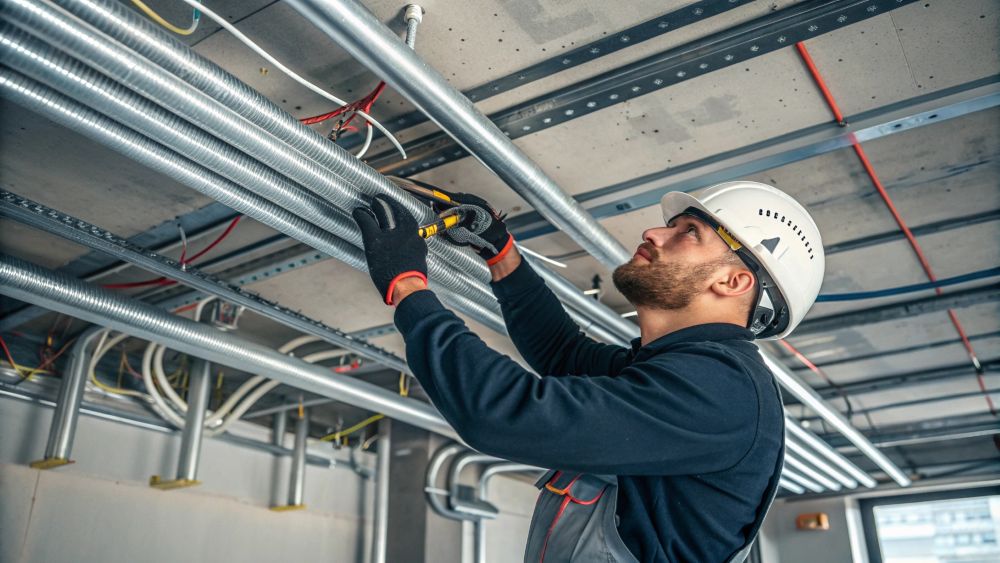
In modern electrical systems, EMT electrical conduit plays a crucial role in providing a safe and organized pathway for wires and cables. EMT, which stands for Electrical Metallic Tubing, is a lightweight yet durable conduit that protects wiring from physical damage.
while also serving as a grounding pathway. It is widely used in commercial, industrial, and residential installations due to its cost-effectiveness, ease of installation, and compliance with electrical codes.
Unlike heavier Rigid Metal Conduits (RMC), EMT is thinner and easier to bend, making it ideal for projects in which time and hard work performance are important. In addition, its metallic construction provides fire resistance and mechanical protection, making it a trusted choice for electricians and contractors.
This comprehensive guide will cover everything you need to know about EMT electrical conduit, including its types, components, installation techniques, advantages, applications, maintenance, and future trends.
What is EMT Electrical Conduit?
Definition and Purpose
EMT (Electrical Metallic Tubing) is a thin-walled metal conduit designed to house and protect electrical wires in a variety of settings. Typically made of galvanized steel or aluminum, EMT conduits are installed in buildings to safeguard wiring from physical damage, moisture, and different environmental hazards.
Importance in Electrical Systems
Using EMT conduit ensures:
- Enhanced safety: Shields wires from accidental impact and prevents electrical hazards.
- Organized wiring: Keeps electrical systems neat and manageable, reducing maintenance complexity.
- Grounding capability: EMT conduit can serve as a grounding path when properly installed.
- Fire resistance: Metal construction minimizes fire spread in the event of electrical faults.
Types of EMT Electrical Conduit
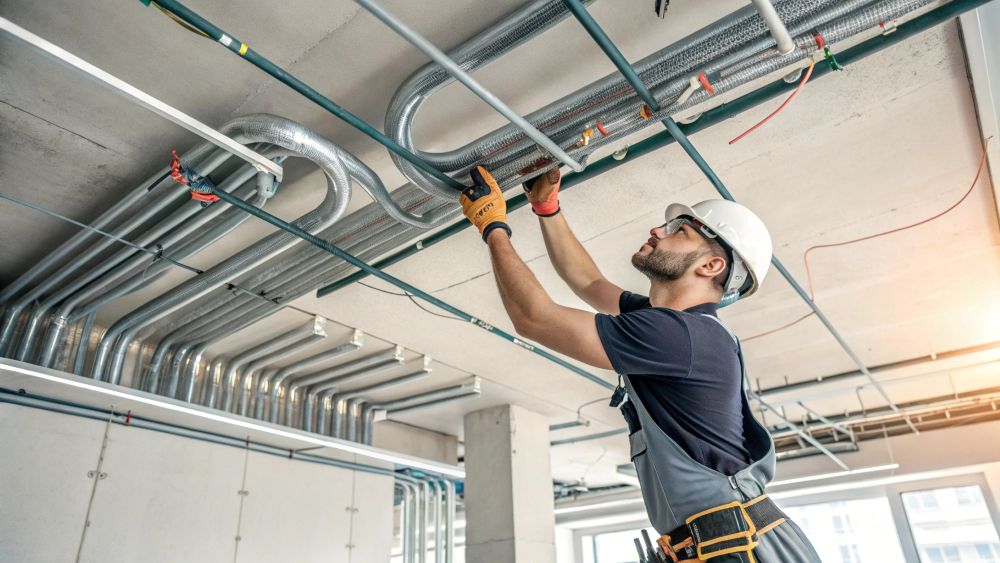
EMT conduit comes in various types to suit different environments and applications. Choosing the right type depends on the installation location, environmental conditions, and budget.
Standard EMT
Standard EMT is a galvanized steel conduit suitable for most indoor commercial and industrial applications. It offers excellent durability and moderate mechanical protection.
Coated EMT
Coated EMT has an additional anti-corrosion layer, making it ideal for environments with high humidity, moisture, or chemical exposure. This type ensures long-term performance even in challenging conditions.
Aluminum vs Steel EMT
- Steel EMT: Stronger, resistant to mechanical damage, and suitable for heavy-duty applications.
- Aluminum EMT: Lightweight, corrosion-resistant, and easier to bend, reducing labor time during installation.
Components of an EMT Conduit System
A complete EMT system consists of multiple components that work together to protect and route electrical wiring efficiently.
Conduits
The conduit itself is the main tube through which wires are pulled. It comes in various diameters, typically ranging from ½ inch to 4 inches, depending on the number and size of wires.
Couplings and Connectors
Couplings join two pieces of conduit together, maintaining a continuous path for wires and ensuring grounding continuity. Connectors secure the conduit to electrical boxes or panels.
Fittings and Fasteners
Fittings such as elbows, straps, and clamps are used to secure EMT to walls, ceilings, and other structures. Proper fastening ensures safety, stability, and compliance with the National Electrical Code (NEC).
Advantages of EMT Electrical Conduit
EMT conduit offers numerous benefits that make it a preferred choice for electricians and contractors.
Durability and Mechanical Protection
EMT conduit is strong enough to withstand physical impacts, protecting wires from accidental damage during maintenance, renovations, or everyday use.
Fire Resistance
Being metallic, EMT conduit helps prevent fire from spreading along electrical wires, providing an added layer of safety in industrial and commercial buildings..
Cost-Effectiveness
EMT is lighter than RMC, reducing labor costs and installation time. It is also less expensive in terms of material cost while still providing sufficient protection for most wiring applications.
Grounding Capability
When installed correctly, EMT conduit acts as a grounding conductor, eliminating the need for additional grounding wires in many cases. This simplifies set up and decreases cloth costs.
Limitations of EMT Electrical Conduit
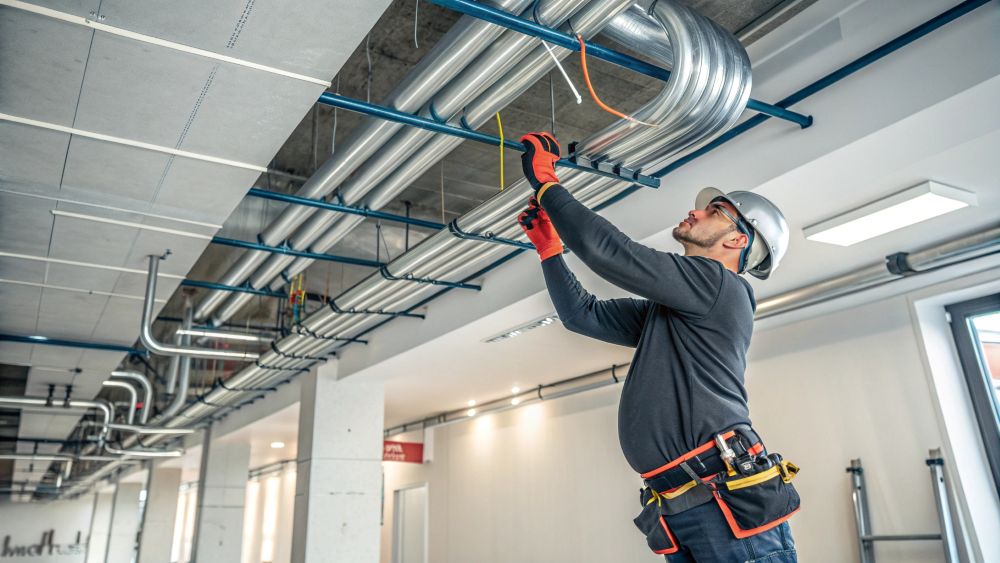
While EMT conduit offers many benefits, it also has some limitations:
- Lower impact resistance than RMC: It is not suitable for areas with high risk of physical damage unless additional protection is provided.
- Requires proper fittings: Improper installation can compromise grounding and safety.
- Outdoor use requires protection: Uncoated EMT is susceptible to corrosion if exposed to the elements.
Applications of EMT Electrical Conduit
EMT conduit is widely used across commercial, industrial, and residential projects due to its versatility and durability.
Commercial Buildings
EMT is common in offices, retail spaces, and warehouses, where exposed conduit is often acceptable and provides a neat, organized appearance.
Industrial Wiring
Factories and manufacturing plants benefit from EMT conduit due to its mechanical protection and grounding capabilities, ensuring electrical structures stay secure and compliant with protection regulations.
Residential Use
Modern homes increasingly use EMT conduit for exposed wiring in garages, basements, or as part of decorative industrial-style interiors. Its strength and durability make it suitable for long-lasting home installations.
Installation Guide for EMT Conduit
Proper installation of EMT conduit is crucial to ensure safety, durability, and code compliance.
Tools Required
Essential tools for EMT installation include:
- Conduit bender
- Hacksaw or tubing cutter
- Measuring tape and level
- Screwdrivers and wrenches
Cutting and Bending
Measure appropriately earlier than cutting. Use a conduit bender to make clean bends, avoiding sharp angles that may damage wires or reduce capacity.
Fastening and Grounding
Secure the conduit to walls and ceilings using straps, clamps, and fasteners. Ensure that all connections maintain grounding continuity for safety.
Pulling Wires Through EMT
- Use fish tape or a wire puller to guide wires through the conduit.
- Avoid overfilling the conduit to prevent heat buildup or wire damage.
- Follow NEC hints for max fill capacity.
EMT Conduit vs Other Conduit Types
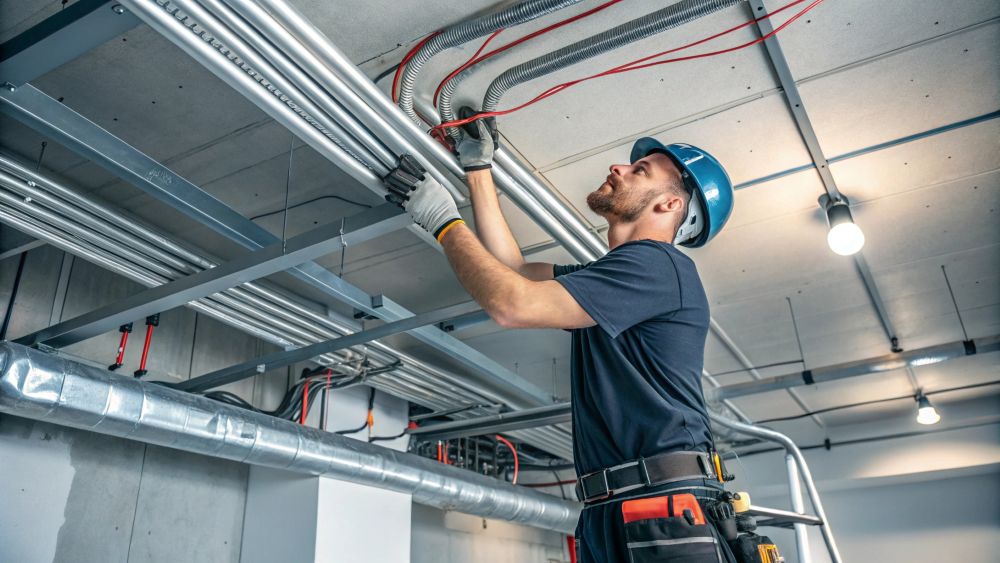
Understanding how EMT compares to other conduit types helps in choosing the right product.
| Feature | EMT | RMC | IMC | PVC | FMC |
| Strength | Medium | High | Medium-High | Low | Low |
| Installation | Easy | Difficult | Medium | Easy | Very Easy |
| Corrosion Resistance | Moderate | High | Medium | Very High | Moderate |
| Cost | Mid | High | Mid | Low | Low |
| Best Use | Indoor | Outdoor/Industrial | Industrial | Underground | Flexible routing |
Maintenance and Safety Tips
Regular maintenance ensures EMT conduit systems remain safe and functional:
- Inspect for corrosion, dents, or damage
- Avoid sharp bends to reduce wire stress
- Ensure all fittings maintain proper grounding
- Follow local and national electrical codes
Cost and Availability
EMT conduit cost depends on:
- Material (metallic or aluminum)
- Diameter and wall thickness
- Brand and supplier
Popular suppliers include Atkore, Allied Tube, Nucor, Legrand, and regional distributors. Bulk purchasing often reduces unit costs, making EMT a cost-effective choice for large-scale projects.
Future Trends in EMT Electrical Conduit
- Lightweight aluminum EMT is gaining popularity for ease of handling
- Coated and corrosion-resistant EMT suitable for outdoor applications
- Integration with smart electrical systems in modern buildings
- Hybrid and flexible conduit materials emerging for complex layouts
conclusion:
EMT electrical conduit is a reliable, cost-effective, and versatile solution for protecting and organizing electrical wiring in residential, commercial, and industrial settings. Its lightweight design, ease of installation, and grounding capabilities make it a preferred choice over other conduits.
By choosing the right type, following proper installation guidelines, and maintaining safety standards, you can ensure long-lasting, efficient, and code-compliant electrical systems for any project.
FAQs About EMT Electrical Conduit
1. What is EMT electrical conduit and why is it used?
EMT electrical conduit is used to protect electrical wires, organize wiring systems, and provide a safe grounding path in commercial, industrial, and residential installations.
2. Can EMT electrical conduit be installed outdoors?
Yes, EMT conduit can be used outdoors if it is coated or specially treated to resist corrosion and harsh weather conditions.
3. What is the difference between EMT and RMC conduit?
EMT conduit is lightweight, easier to bend, and cost-effective, while Rigid Metal Conduit (RMC) is thicker, stronger, and perfect for heavy-obligation or high-effect applications.
4. Is EMT electrical conduit fire-resistant?
Yes, EMT conduit is made of metal, which provides excellent fire resistance and helps prevent the spread of flames along electrical wiring.
5. How do you safely install EMT electrical conduit?
To safely install EMT conduit, use the correct tools, ensure proper bending and alignment, secure fittings properly, and maintain continuous grounding throughout the system.
Related post:
- Black Mold In Microwave – Easy Steps To Clean It Fast!
- Can A Microwave Be Plugged Into A Surge Protector – Don’t Risk Fire!
- Breaker Size For Microwave – Simple Rules For A Safer Kitchen!