
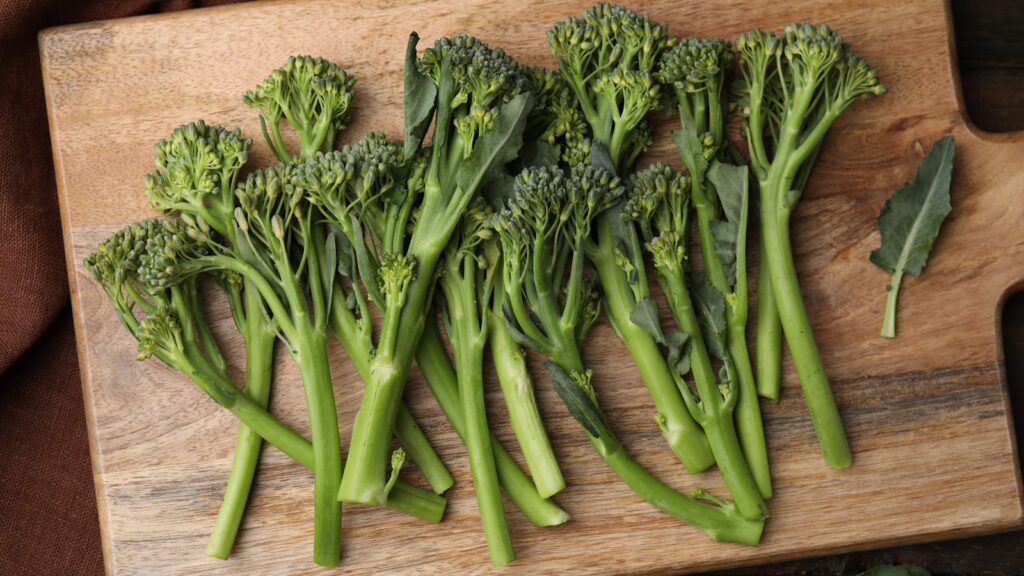
Crocolini is a versatile green vegetable that has steadily gained attention for its delicate texture, mild sweetness, and impressive health benefits. With its long, thin stems and small, tender florets, crocolini offers a refined alternative to traditional broccoli. It is easy to prepare, visually appealing on the plate, and adaptable to many cooking styles, making it a popular choice for everyday meals as well as restaurant-quality dishes.
As modern diets increasingly focus on nutrient-dense foods that are simple to cook, crocolini stands out as a vegetable that delivers both flavor and function. From supporting overall health to enhancing the taste of a wide range of recipes, crocolini has earned its place as a kitchen essential.
What Is Crocolini?
Crocolini is a hybrid vegetable related to broccoli and other leafy greens. It is entirely edible, including the stems, which are tender and slightly sweet. Unlike regular broccoli, crocolini does not have thick, fibrous stalks, making it easier to cook and enjoy without extensive preparation.
Crocolini vs Broccoli
Although crocolini and broccoli are closely related, their differences are noticeable in both taste and texture. Crocolini has slimmer stems and smaller florets, giving it a softer bite. Its flavor is milder and slightly sweeter, whereas broccoli has a stronger, more earthy taste. Crocolini also cooks faster, making it ideal for quick meals and light cooking methods such as sautéing or steaming.
The Origin and Development of Crocolini
Crocolini was developed through careful crossbreeding to create a vegetable that combines tenderness, flavor, and nutritional value. The goal was to produce a plant that could grow consistently while offering a more refined eating experience than traditional broccoli.
Why Crocolini Became Popular Worldwide
Crocolini’s popularity grew rapidly due to its adaptability and modern appeal. It fits easily into different cuisines, holds its shape well during cooking, and pairs beautifully with a wide range of ingredients. Its elegant appearance and balanced flavor have made it a favorite in both home kitchens and professional settings.
Nutritional Profile of Crocolini
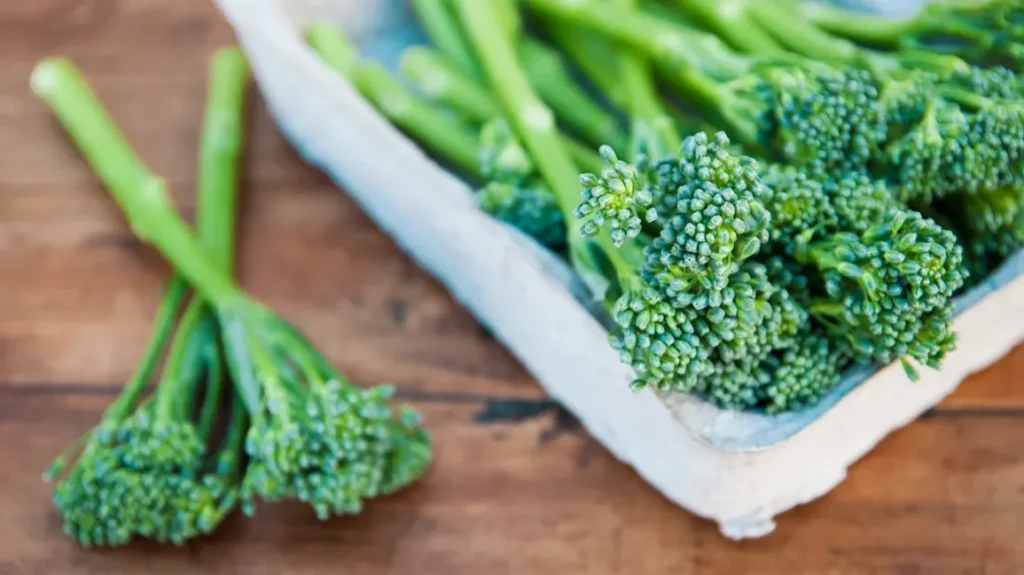
Crocolini is rich in essential nutrients while remaining low in calories and fat. This balance makes it a strong choice for individuals looking to improve their diet without sacrificing taste.
Vitamins and Minerals in Crocolini
Crocolini provides a significant amount of vitamin C, which supports immune health and helps protect the body from oxidative stress. It also contains vitamin A for eye health, vitamin K for bone strength, and folate, which plays an important role in cell growth and development. Minerals such as potassium and calcium further contribute to heart and bone health.
Health Benefits of Crocolini
Regularly eating crocolini can support digestion due to its fiber content, which helps maintain a healthy gut. Its antioxidants help reduce inflammation and support overall wellness. Crocolini may also contribute to heart health by supporting healthy blood pressure levels and reducing oxidative damage in the body.
How Crocolini Supports a Healthy Lifestyle
Crocolini fits naturally into many dietary patterns, including vegetarian, vegan, and low-calorie diets. Its nutrient density allows it to provide essential vitamins and minerals without adding excess calories, making it suitable for people focused on long-term health and balanced eating.
Crocolini and Digestive Health
The fiber found in crocolini supports regular digestion and helps maintain a healthy gut environment. Including fiber-rich vegetables like crocolini in meals can promote fullness and support stable energy levels throughout the day.
Crocolini for Immune Support
Thanks to its vitamin C and antioxidant content, crocolini helps strengthen the immune system. Regular intake may help the body better defend itself against everyday stressors and environmental factors.
How to Cook Crocolini Properly
Crocolini is valued for how easy it is to cook. Its tender structure means it requires less time and effort than many other vegetables.
Sautéing Crocolini
Sautéing is one of the most popular ways to prepare crocolini. Cooking it quickly in olive oil allows the stems to become tender while maintaining a slight crispness. Adding garlic, herbs, or a splash of lemon juice enhances its natural flavor without overpowering it.
Roasting Crocolini
Roasting crocolini creates a deeper flavor and lightly crisp edges. When roasted at high heat, the vegetable develops a rich taste while remaining tender inside. This method works well for serving crocolini as a side dish or incorporating it into grain-based meals.
Steaming Crocolini
Steaming is ideal for preserving nutrients and color. Crocolini should be steamed briefly to avoid overcooking. This method works especially well when crocolini is added to salads, bowls, or light meals.
Grilling Crocolini
Grilling crocolini adds a subtle smoky flavor and enhances its natural sweetness. Light seasoning and careful grilling help maintain its texture while adding depth to the dish.
Popular Ways to Use Crocolini in Meals
Crocolini’s versatility makes it easy to include in many types of dishes.
Crocolini as a Side Dish
Simply seasoned crocolini pairs well with poultry, seafood, and plant-based proteins. Its mild flavor complements main dishes without overwhelming them.
Crocolini in Pasta and Grains
Crocolini adds texture and nutrition to pasta dishes and grain bowls. Combined with olive oil, herbs, and cheese, it creates balanced and satisfying meals.
Crocolini in Stir-Fries
Because it cooks quickly, crocolini is ideal for stir-fries. It absorbs sauces well while maintaining a pleasant bite, making it a reliable ingredient in fast, flavorful meals.
How to Store Crocolini Correctly
Proper storage helps maintain crocolini’s freshness, flavor, and nutritional value.
Storing Fresh Crocolini
Fresh crocolini should be kept in the refrigerator in a breathable bag. It is best used within five to seven days to ensure optimal taste and texture.
Freezing Crocolini
Crocolini can be frozen after blanching. Blanching helps preserve color, texture, and nutrients, making frozen crocolini suitable for cooked dishes such as soups and stir-fries.
How to Choose High-Quality Crocolini
Selecting fresh crocolini ensures better flavor and cooking results.
What to Look for When Buying Crocolini
High-quality crocolini has a bright green color, firm stems, and tightly closed florets. Avoid bunches that appear yellowed, limp, or dry, as these signs indicate loss of freshness.
Crocolini in Different Cuisines
Crocolini’s adaptability allows it to be used in cuisines around the world.
Crocolini in Mediterranean Cuisine
In Mediterranean cooking, crocolini is often paired with olive oil, garlic, lemon, and herbs. It is commonly served alongside fish, grains, and legumes.
Crocolini in Asian Cuisine
Asian dishes frequently use crocolini in stir-fries and noodle-based meals. Its mild flavor works well with soy-based sauces, ginger, and garlic.
Crocolini in Western Cooking
In Western cuisine, crocolini is often roasted, grilled, or sautéed and served as a side dish with meats or plant-based proteins.
Is Crocolini Good for Weight Management?
Crocolini is an excellent vegetable for those managing their weight. Its low calorie content combined with fiber helps promote fullness and reduce unnecessary snacking.
Why Crocolini Supports Balanced Eating
Crocolini provides essential nutrients without excessive calories. Including it regularly in meals helps support portion control and long-term dietary goals.
Common Mistakes When Cooking Crocolini
Overcooking crocolini can result in a dull color and overly soft texture. Using too much oil or failing to season properly can also reduce its appeal. Gentle cooking and simple seasoning bring out its best qualities.
Why Crocolini Deserves a Place in Your Diet
Crocolini offers a unique balance of taste, nutrition, and convenience. It is easy to prepare, fits into many dietary styles, and provides valuable health benefits. Incorporating crocolini into regular meals is a simple way to improve overall diet quality while enjoying fresh, flavorful food.
FAQs
Is broccolini healthier than broccoli?
Both are healthy; broccoli has more vitamin C and fiber, while broccolini has more vitamin A and calcium.
Is baby broccoli the same as broccoli?
Baby broccoli is regular broccoli harvested early, with smaller, softer stalks and a slightly sweeter taste.
What is long broccoli called?
Long broccoli is commonly called broccolini, known for its slender stems and small florets.
Which type of broccoli is the healthiest?
Broccoli rabe is one of the most nutrient-dense types, rich in vitamin A, calcium, iron, and vitamin K.
Is cauliflower high in protein?
Cauliflower is low in protein but offers a good amount for its low calorie content.
Conclusion
Crocolini is a nutritious and flavorful green vegetable that fits easily into a healthy diet. Its tender texture, mild sweetness, and rich vitamins make it ideal for many cuisines and cooking styles. Easy to prepare and low in calories, crocolini supports balanced eating, weight management, and overall wellness when included regularly in meals.
Related Post
- Quotela net: Your Ultimate Guide to Quotes and Inspiration
- Unbreakable Oil Burner Pipe: Durable, Safe & Easy to Use
- Why People Search for Realifecamù: Full Explanation